
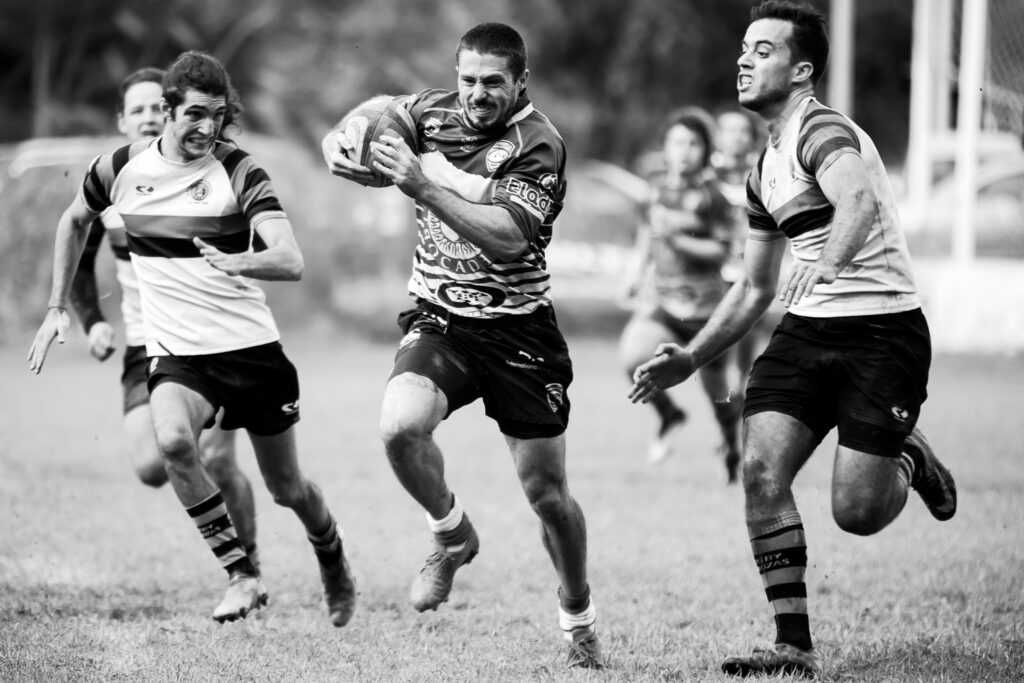
Injuries are part of every NRL season, but their impact is rarely limited to the player who leaves the field. A single absence can change combinations, defensive trust, kicking options, bench rotation and the emotional rhythm of a side. Momentum in rugby league is built through repetition and confidence, so when injuries interrupt those patterns, teams often have to rebuild their identity while still competing every week.
Injuries Change Team Balance Immediately
The first impact of an injury is structural. A missing half, hooker, fullback or middle forward can force a coach to shift players into unfamiliar roles, adjust attacking shapes and simplify the game plan. Even when the replacement is capable, the team may lose timing in its passing, support lines and last-tackle options.
This is why serious injuries can quickly influence how supporters, analysts and markets assess a team’s short-term ceiling, including discussions around current NRL Premiership odds. It is not just about star power; it is about how much of the team’s system depends on that player’s decision-making, communication and workload.
Key Playmakers Shape Attacking Momentum
When a halfback, five-eighth or fullback is unavailable, attacking momentum often becomes harder to sustain. These players usually control field position, organise shape and decide when to pass, kick or run. Without them, a team may still complete sets but struggle to create repeat pressure.
The disruption is most obvious near the opposition try line. Set plays rely on precise timing between ball players, edge runners and outside backs. If a new combination is still building trust, attacking raids can become slower or more predictable. Over several matches, that can reduce points scored, increase forced passes and place more pressure on defence to keep the side competitive.
Forward Injuries Weaken the Physical Platform
Momentum in the NRL often starts through the middle. Injuries to props, locks and back-rowers can reduce metre gains, quick play-the-balls and defensive line speed. When a side loses reliable middle forwards, it may become harder to win the early tackles in a set, which affects both territory and attacking opportunity.
Forward injuries also change bench management. Coaches may need to extend the minutes of remaining middles or carry a less experienced replacement. That can lead to fatigue late in halves, where missed tackles, slow ruck defence and penalties become more likely. Once a team starts losing the physical contest, even talented backs may receive the ball under pressure rather than on the front foot.
Defensive Systems Lose Trust and Timing
Defence is not only about effort; it depends on communication and shared habits. Injuries can break up edge combinations, forcing new pairings between centres, wingers and back-rowers. That matters because defensive reads happen quickly, especially when opponents use shape, decoy runners and early shifts.
A team that previously defended with confidence may suddenly hesitate. One player may rush while another holds, creating space for line breaks or offloads. These small timing issues can turn into major momentum swings, particularly when opponents identify and repeatedly target a reshuffled edge.
Depth Determines Whether Momentum Survives
Not every injury causes a collapse. Strong clubs usually have squad depth, clear development pathways and reserve-grade players who understand the same tactical framework as the first-grade side. This allows replacements to step in without forcing the entire team to change its approach.
Depth also affects morale. When players believe the squad can absorb setbacks, the group is less likely to panic after a key injury. By contrast, teams with limited depth may start making reactive changes each week, which can create instability in selection, roles and confidence. Over a long season, the ability to manage injuries often separates resilient teams from those that fade.
Injuries Can Shift Season Narratives Quickly
Momentum is partly psychological. A team on a winning run can look settled and confident, but a major injury can change the mood around the club almost overnight. Media attention, supporter expectations and internal pressure can all intensify when a key player is ruled out for an extended period.
However, injuries can also create opportunity. A young player may emerge, a team may simplify its style, or a forward pack may respond with greater commitment. Some sides use adversity to sharpen their identity. The difference usually lies in coaching clarity, leadership and whether the squad can adapt without abandoning the habits that made it competitive.
The True Test Is Adaptation
Injuries reshape NRL momentum because they affect far more than weekly team lists. They alter combinations, tactics, confidence, fatigue levels and the way opponents prepare. The teams that handle injuries best are not always the ones with the fewest absences, but the ones that adjust quickly, protect their core strengths and keep their standards stable when the season becomes uncomfortable.
 Bessie Christmannero
Founder
Bessie Christmannero is the pioneering founder of Prime Gambling Way, a platform designed to revolutionize the gambling experience. With over a decade of experience in the gambling industry, Bessie has been at the forefront of delivering innovative strategies and expert betting advice. Her deep knowledge of industry trends, combined with a relentless drive to educate and empower bettors, has shaped Prime Gambling Way into a trusted authority. Bessie’s vision is rooted in the belief that informed decisions lead to successful outcomes, and she strives to make professional insights accessible to everyone, from seasoned gamblers to newcomers.
Bessie Christmannero
Founder
Bessie Christmannero is the pioneering founder of Prime Gambling Way, a platform designed to revolutionize the gambling experience. With over a decade of experience in the gambling industry, Bessie has been at the forefront of delivering innovative strategies and expert betting advice. Her deep knowledge of industry trends, combined with a relentless drive to educate and empower bettors, has shaped Prime Gambling Way into a trusted authority. Bessie’s vision is rooted in the belief that informed decisions lead to successful outcomes, and she strives to make professional insights accessible to everyone, from seasoned gamblers to newcomers.