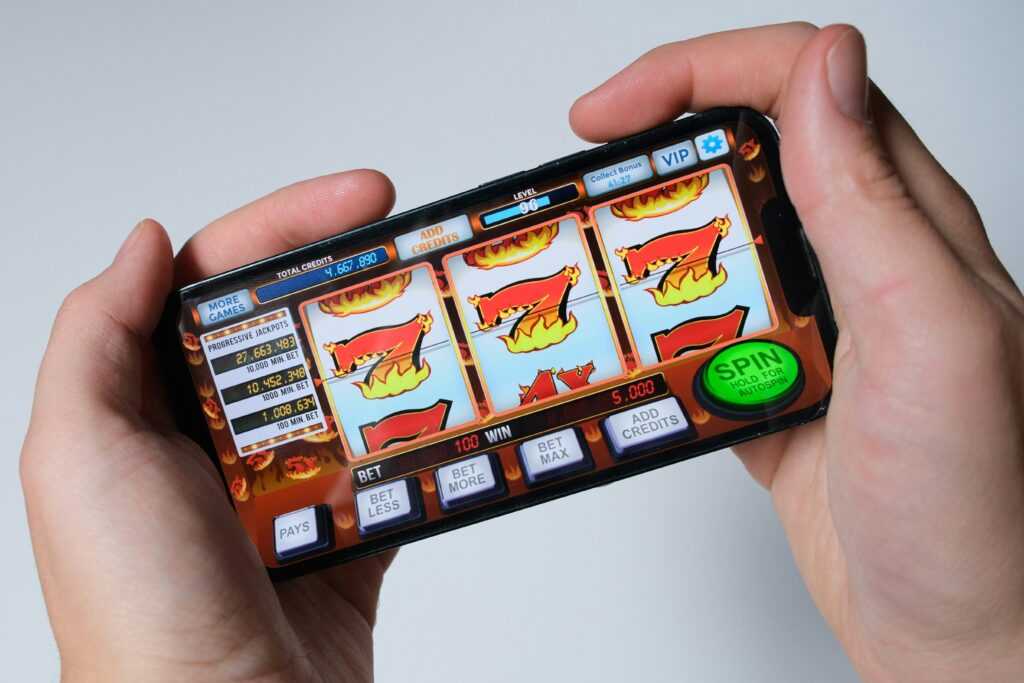

The online gambling industry has evolved rapidly over the past decade, but few innovations have changed player behavior as significantly as no-account casino platforms. Particularly in Northern Europe, including Estonia and Finland, bank-based authentication systems have reshaped how players register, deposit, and withdraw funds.
Instead of creating traditional accounts with usernames and passwords, players can now log in directly through their online banking credentials. This technology eliminates lengthy registration forms, reduces friction, and significantly shortens the time between discovery and gameplay. Platforms like ilmakontokasiino.ee showcase how this model has become a standard expectation rather than a niche alternative in Estonia’s regulated market.
Why Players Prefer Bank-Based Login Systems
Convenience is the primary driver behind the popularity of no-account casinos. Modern players expect speed. Whether streaming content, ordering food, or managing finances, digital experiences are optimized for immediacy — and gambling is no exception.
With bank-based authentication:
- Identity verification happens instantly
- Deposits and withdrawals are processed faster
- Password management becomes unnecessary
- Security is handled through trusted banking infrastructure
For many users, this creates a stronger sense of safety compared to traditional registration systems. Instead of submitting personal documents separately, verification is integrated directly into the financial transaction process.
Regulatory Compatibility in Estonia
One reason no-account casinos have flourished in Estonia is the country’s digital infrastructure. Estonia is known for its advanced e-governance ecosystem, where secure digital identification is part of everyday life. This naturally aligns with gambling platforms that rely on bank authentication technologies.
Importantly, this model does not bypass regulation. Licensed operators must still comply with anti-money laundering requirements, responsible gambling safeguards, and taxation rules. The difference lies in efficiency — compliance is built into the login and payment process rather than layered on top of it.
For players, this creates a streamlined experience without sacrificing consumer protection.
Speed and Financial Transparency
Another major appeal of no-account casinos is payout speed. Traditional platforms often require additional verification steps before withdrawals are processed. In contrast, bank-based systems automatically connect the player’s verified identity to their financial account.
This reduces administrative delays and increases trust in the operator. Players know that withdrawals are returning to the same verified bank account used for deposits.
From an industry perspective, faster payouts also enhance operator credibility. Trust and transparency are long-term retention drivers, particularly in competitive European markets.
The Responsible Gambling Dimension
It is easy to focus on speed and convenience, but no-account systems also carry responsible gambling implications.
Because players authenticate through their real banking identity:
- Anonymous multi-account abuse becomes more difficult
- Age verification is integrated
- Transaction history is clearer
- Self-exclusion tools can be implemented more effectively
In regulated markets like Estonia, these features support broader consumer protection goals. When properly implemented, streamlined login systems can coexist with strong player safeguards.
Industry Implications Beyond Estonia
The success of no-account casinos in Estonia and Finland has influenced operators across Europe. Markets such as Sweden and parts of Central Europe have explored similar models, though adoption depends heavily on national banking infrastructure and regulatory frameworks.
The broader takeaway is clear: frictionless onboarding is no longer a competitive advantage — it is becoming an industry baseline.
Operators that fail to simplify registration risk losing players to platforms that prioritize speed and usability.
A Shift in Player Expectations
Perhaps the most important change is psychological. Once players experience instant authentication and rapid withdrawals, reverting to traditional multi-step registration feels outdated.
This shift in expectation forces the entire industry to adapt.
No-account casinos are not simply a technical feature; they represent a wider movement toward integrated financial ecosystems, where identity verification, payment processing, and regulatory compliance operate seamlessly in the background.
In digitally advanced markets like Estonia, this model is likely to remain dominant — not because it is novel, but because it aligns perfectly with how modern users expect online services to function.
 Bessie Christmannero
Founder
Bessie Christmannero is the pioneering founder of Prime Gambling Way, a platform designed to revolutionize the gambling experience. With over a decade of experience in the gambling industry, Bessie has been at the forefront of delivering innovative strategies and expert betting advice. Her deep knowledge of industry trends, combined with a relentless drive to educate and empower bettors, has shaped Prime Gambling Way into a trusted authority. Bessie’s vision is rooted in the belief that informed decisions lead to successful outcomes, and she strives to make professional insights accessible to everyone, from seasoned gamblers to newcomers.
Bessie Christmannero
Founder
Bessie Christmannero is the pioneering founder of Prime Gambling Way, a platform designed to revolutionize the gambling experience. With over a decade of experience in the gambling industry, Bessie has been at the forefront of delivering innovative strategies and expert betting advice. Her deep knowledge of industry trends, combined with a relentless drive to educate and empower bettors, has shaped Prime Gambling Way into a trusted authority. Bessie’s vision is rooted in the belief that informed decisions lead to successful outcomes, and she strives to make professional insights accessible to everyone, from seasoned gamblers to newcomers.